What happens when the radiator goes bad?
Your car's radiator helps prevent the engine from overheating. When it develops a leak or becomes clogged, the engine may struggle to stay cool. Understanding what happens when the radiator goes bad can help you spot trouble before it leads to expensive repairs.
What Does a Car Radiator Do?
The radiator removes heat from the coolant as it passes through the cooling system. The cooled fluid then returns to the engine to absorb more heat.
If the radiator is damaged or blocked, it may not release enough heat to keep the engine at its normal temperature.
What Happens When a Radiator Goes Bad?
A failing radiator can cause several problems, some of which become serious if you continue driving.
- Engine Overheating: A leaking or clogged radiator may cause the temperature gauge to climb above normal. Driving with an overheating engine can damage the head gasket or other engine parts.
- Coolant Leaks: Green, orange or pink puddles under your parked car may be coolant. The leak could come from the radiator, a hose or another cooling system part.
- Falling Coolant Levels: If you keep adding coolant, there may be a leak that needs attention. Check the reservoir only when the engine is cool.
- Changing Engine Temperature: Does the temperature gauge rise and fall unexpectedly? Restricted coolant flow could be responsible, although a faulty thermostat or cooling fan may cause similar trouble.
- Steam or Sweet Smells: Steam under the hood can mean coolant is escaping onto hot parts. Coolant also has a sweet smell that you might notice near the front of the car.
- Poor Cabin Heating: Low coolant levels can leave your car's heater blowing cold air even when you've selected heat.
What Causes a Radiator to Go Bad?
Several problems can damage a radiator or affect how well it works:
- Rust and corrosion inside the cooling system
- Old or contaminated coolant
- Blocked radiator passages
- Damage from stones or road debris
- Cracked radiator tanks
- Worn hoses or loose connections
- Problems with cooling system pressure
Regular checks can help catch leaks and damaged parts before they cause overheating.
Can You Drive With a Bad Radiator?
A damaged radiator may still allow the engine to run, but coolant loss can quickly lead to overheating. Continuing to drive could turn a smaller problem into a major engine repair.
If the temperature gauge rises into the danger zone or you see steam, pull over safely and turn off the engine. Never remove the radiator cap while the engine is hot.
Even a small leak deserves attention before it gets worse.
How Is a Bad Radiator Repaired?
A mechanic can check the radiator, hoses and connections for leaks or damage. A pressure test may help find leaks that aren't visible during a normal inspection.
Depending on the problem, radiator repair may involve fixing a loose connection or replacing a damaged hose. A radiator with severe corrosion, cracks or internal blockages may need replacing.
How Can You Prevent Radiator Problems?
Check coolant levels when the engine is cold and use the coolant recommended in your owner's manual. Follow the manufacturer's maintenance schedule and have damaged hoses or leaking connections repaired promptly.
Don't ignore unusual temperature readings or coolant that keeps disappearing.
When Should You Get Your Radiator Checked?
Coolant leaks, overheating and unstable engine temperatures are among the problems that explain what happens when the radiator goes bad. They can also point to faults elsewhere in the cooling system.
A professional inspection can identify the cause and determine whether radiator repair or replacement is necessary. Fixing the problem early may prevent further engine damage.
Wondering about what happens when the radiator goes bad? Contact our ASE-certified technicians at Express Auto Service & Repair for more information about radiator repair and to schedule an appointment. Our auto shop serves vehicle owners in Mankato, MN,, and the neighboring communities of North Mankato, MN, New Ulm, MN, and St. Peter, MN.
Your car's radiator helps prevent the engine from overheating. When it develops a leak or becomes clogged, the engine may struggle to stay cool. Understanding what happens when the radiator goes bad can help you spot trouble before it leads to expensive repairs.
What Does a Car Radiator Do?
The radiator removes heat from the coolant as it passes through the cooling system. The cooled fluid then returns to the engine to absorb more heat.
If the radiator is damaged or blocked, it may not release enough heat to keep the engine at its normal temperature.
What Happens When a Radiator Goes Bad?
A failing radiator can cause several problems, some of which become serious if you continue driving.
- Engine Overheating: A leaking or clogged radiator may cause the temperature gauge to climb above normal. Driving with an overheating engine can damage the head gasket or other engine parts.
- Coolant Leaks: Green, orange or pink puddles under your parked car may be coolant. The leak could come from the radiator, a hose or another cooling system part.
- Falling Coolant Levels: If you keep adding coolant, there may be a leak that needs attention. Check the reservoir only when the engine is cool.
- Changing Engine Temperature: Does the temperature gauge rise and fall unexpectedly? Restricted coolant flow could be responsible, although a faulty thermostat or cooling fan may cause similar trouble.
- Steam or Sweet Smells: Steam under the hood can mean coolant is escaping onto hot parts. Coolant also has a sweet smell that you might notice near the front of the car.
- Poor Cabin Heating: Low coolant levels can leave your car's heater blowing cold air even when you've selected heat.
What Causes a Radiator to Go Bad?
Several problems can damage a radiator or affect how well it works:
- Rust and corrosion inside the cooling system
- Old or contaminated coolant
- Blocked radiator passages
- Damage from stones or road debris
- Cracked radiator tanks
- Worn hoses or loose connections
- Problems with cooling system pressure
Regular checks can help catch leaks and damaged parts before they cause overheating.
Can You Drive With a Bad Radiator?
A damaged radiator may still allow the engine to run, but coolant loss can quickly lead to overheating. Continuing to drive could turn a smaller problem into a major engine repair.
If the temperature gauge rises into the danger zone or you see steam, pull over safely and turn off the engine. Never remove the radiator cap while the engine is hot.
Even a small leak deserves attention before it gets worse.
How Is a Bad Radiator Repaired?
A mechanic can check the radiator, hoses and connections for leaks or damage. A pressure test may help find leaks that aren't visible during a normal inspection.
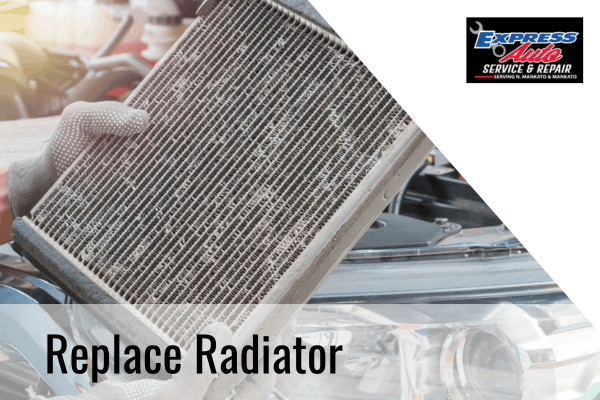
Depending on the problem, radiator repair may involve fixing a loose connection or replacing a damaged hose. A radiator with severe corrosion, cracks or internal blockages may need replacing.
How Can You Prevent Radiator Problems?
Check coolant levels when the engine is cold and use the coolant recommended in your owner's manual. Follow the manufacturer's maintenance schedule and have damaged hoses or leaking connections repaired promptly.
Don't ignore unusual temperature readings or coolant that keeps disappearing.
When Should You Get Your Radiator Checked?
Coolant leaks, overheating and unstable engine temperatures are among the problems that explain what happens when the radiator goes bad. They can also point to faults elsewhere in the cooling system.
A professional inspection can identify the cause and determine whether radiator repair or replacement is necessary. Fixing the problem early may prevent further engine damage.
Wondering about what happens when the radiator goes bad? Contact our ASE-certified technicians at Express Auto Service & Repair for more information about radiator repair and to schedule an appointment. Our auto shop serves vehicle owners in Mankato, MN,, and the neighboring communities of North Mankato, MN, New Ulm, MN, and St. Peter, MN.